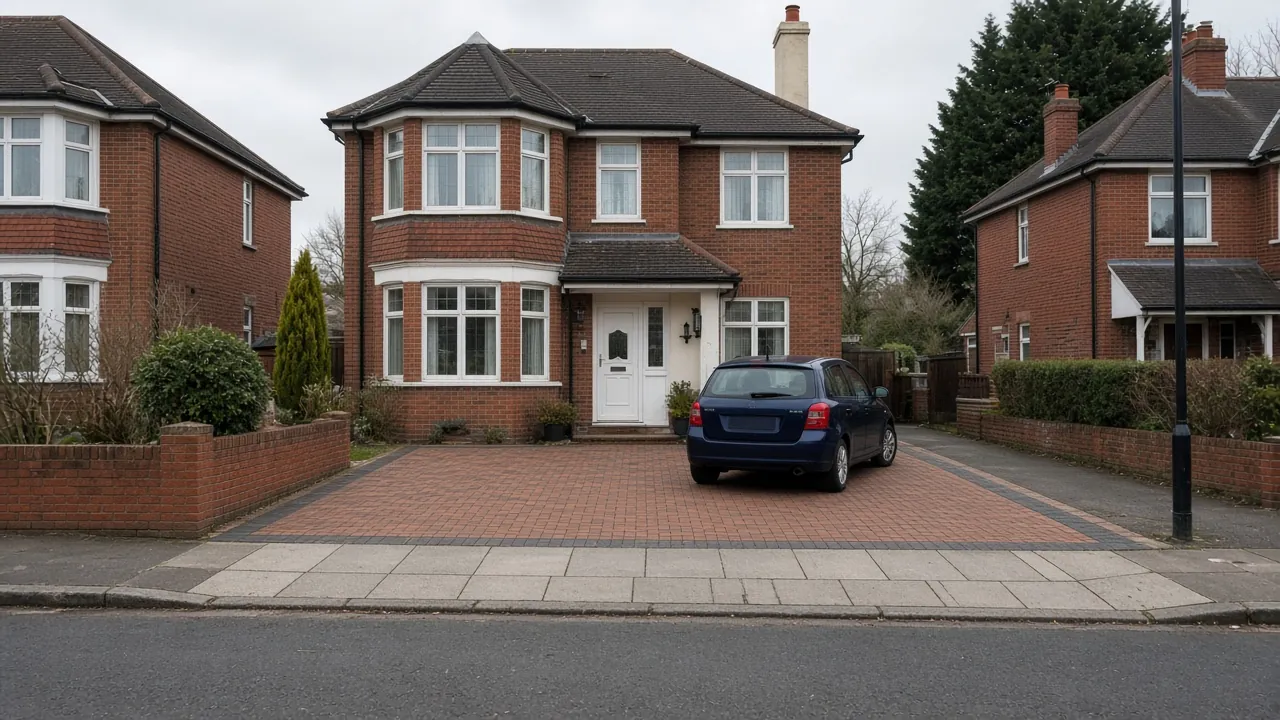
Laying patterns
| Pattern | Look | Best for |
|---|---|---|
| Herringbone (45° or 90°) | Interlocking zig-zag | Drives, because it resists turning and braking tyres |
| Stretcher bond | Brick-like rows | Paths and patios, or drives with a straight run |
| Basketweave | Pairs at right angles | Decorative areas, less suited to heavy turning |
Most installers recommend herringbone for any area a car turns on.
What goes underneath
- Dig out around 200 to 250mm for a drive.
- Sub-base of crushed stone, compacted in layers.
- Edge restraints: kerbs or soldier courses bedded in concrete, so the blocks cannot spread.
- Sand bed, screeded level, about 30 to 50mm.
- Blocks laid, cut to fit and compacted with a plate.
- Jointing sand brushed in and compacted again.
Skimping on the sub-base or the edge restraint is the main reason blocks sink and spread.
Sand, weeds and the coast
Close to the Esplanade, wind-blown beach sand collects in block joints. That is not a disaster: sand-filled joints are how block paving works. The problems come when joints empty and fill with organic dirt that lets weeds grow. Kiln-dried jointing sand topped up every year or so, or a joint stabilising sealer, keeps the surface tight.
Colours that suit Redcar houses
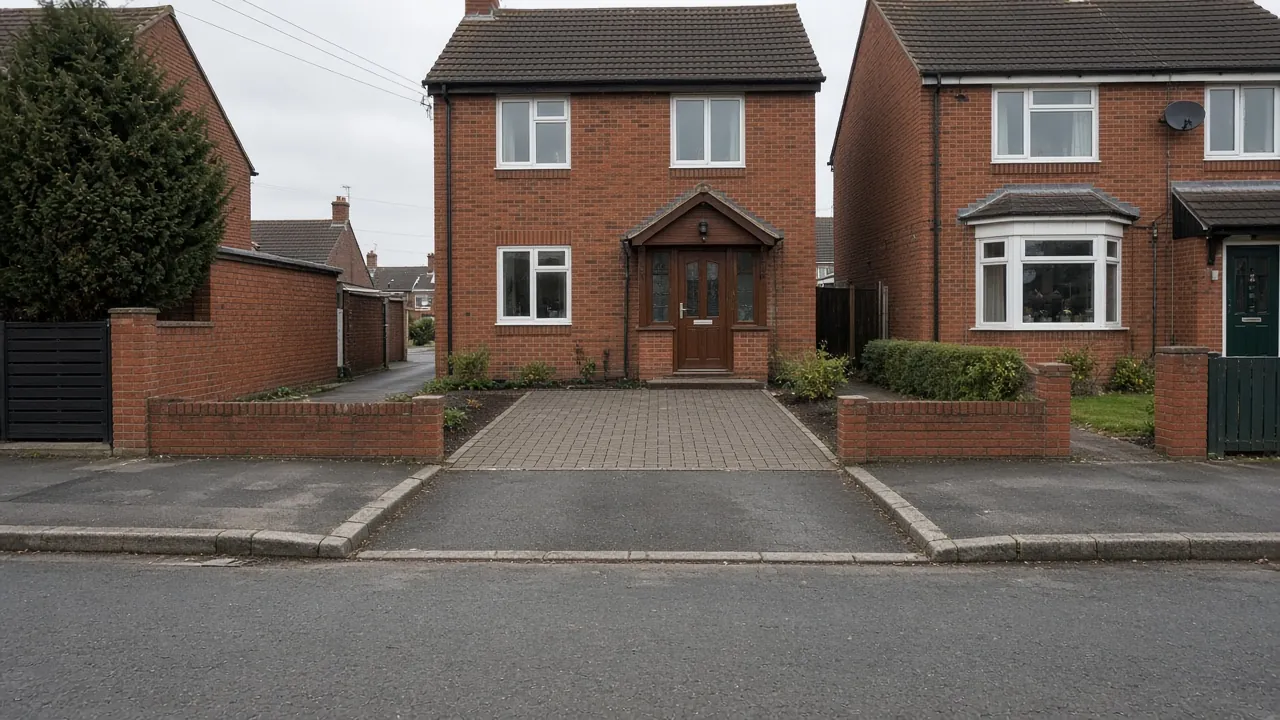
- Brindle and burnt-red tones for red-brick inter-war semis in West Dyke and Zetland.
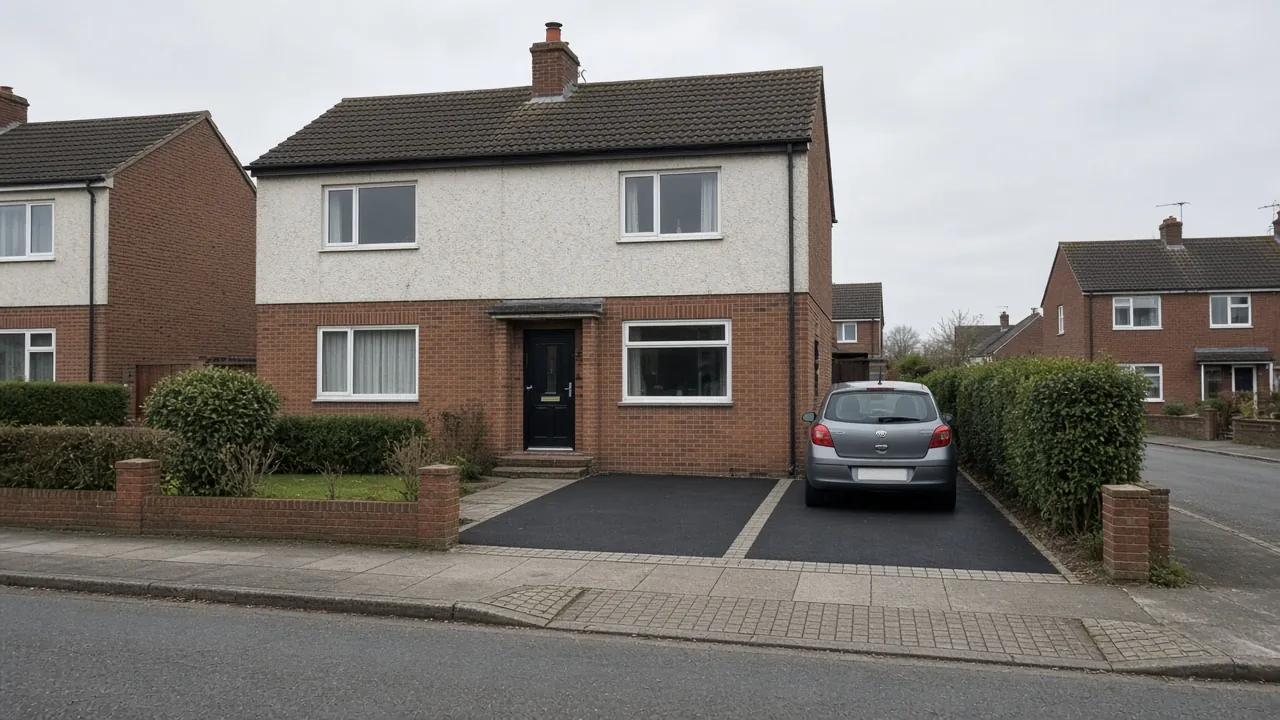
- Charcoal with a silver-grey border for rendered or pebble-dashed houses.
- Buff and natural tones for modern estates such as Wheatlands, where brick is often lighter.
Re-laying a sunken drive
Builder-laid drives on newer estates sometimes dip where cars park. The blocks can usually be lifted, the base rebuilt and the same blocks re-laid, which is cheaper than new paving.
Cost and drainage
About £100 per m² on Checkatrade's April 2026 figures (cost guide). Standard block paving is not permeable, so the drive should fall towards a border or a drain on your land. Permeable block paving, with wider joints and an open-graded base, is an alternative. Compare it with resin in our resin or block paving guide.
Block paving and Redcar's housing mix
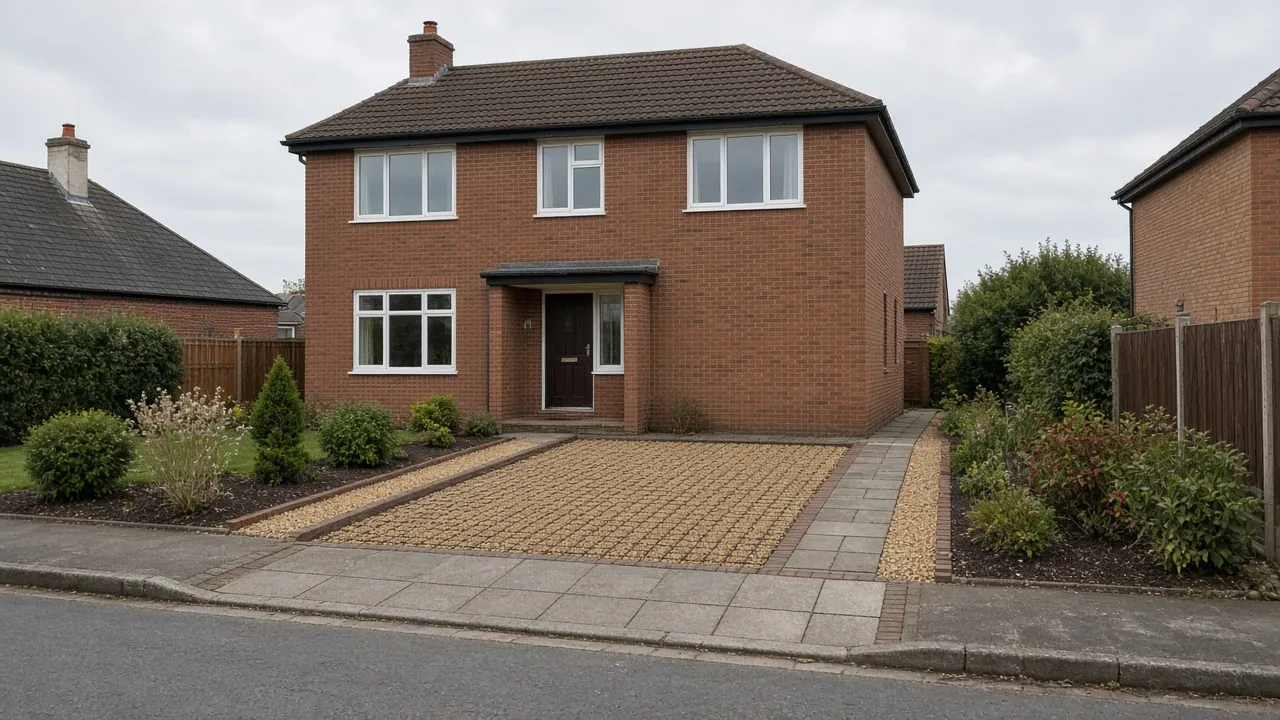
Block paving is the most adaptable surface for the variety of houses in Redcar. In Dormanstown it can follow curved frontages and leave room for a hedge. On the Lakes Estate it works for compact lawn-to-drive conversions with a path to the door. In Wheatlands it can be matched to the builder's original blocks when a drive is widened. Where a frontage meets a grass verge, a soldier course of blocks along the edge stops the lawn creeping and gives the mower a clean line to follow.
Common questions
How long does block paving last?
Twenty years or more with a proper sub-base and edge restraint.
Is herringbone worth it?
For a drive, yes. It interlocks better under turning tyres.
Will sea air damage concrete blocks?
Concrete blocks are generally durable in coastal air. Colours can mellow over time.
Can I extend block paving later?
Yes. That is one of its advantages over resin and tarmac.
Do I need planning permission?
Not if it drains to a permeable area within your property. Otherwise, over 5m² at the front can need permission.